






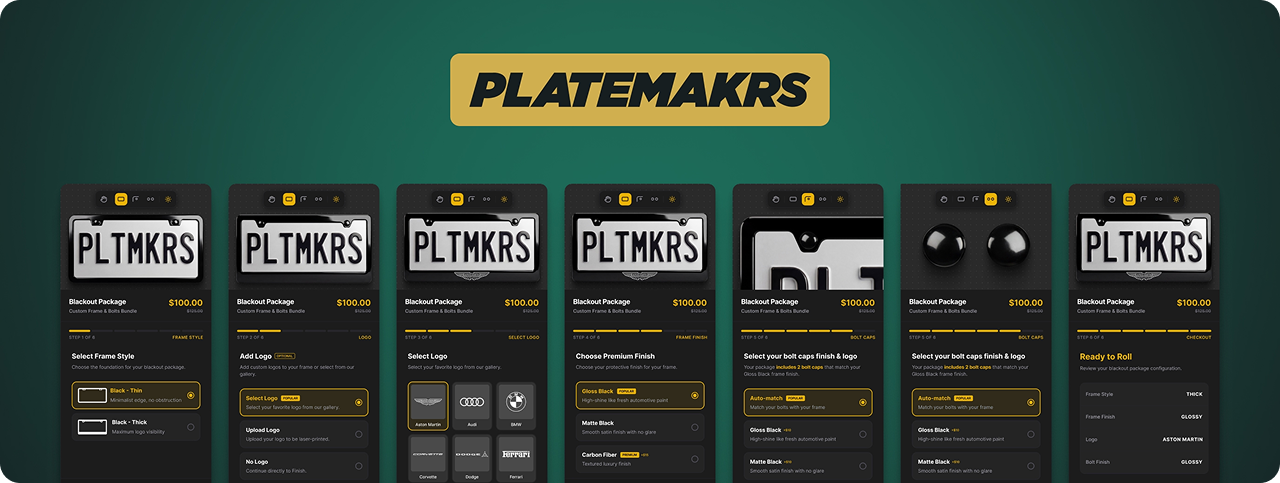



In 6 months, we created over 120 on-brand assets across five channels and increased engagement by 35%
Most DTC brands don't have a creative problem. They have a throughput problem: the ideas are there, the channels are hungry, and the team can't produce fast enough to feed them without the brand starting to drift. Platemakrs is the story of solving that — and what a full creative system looks like when it runs at subscription speed.
The brand
Platemakrs is a bold direct-to-consumer brand built around custom US license plates — personalization as a product. The creative challenge with personalization is always the same: make something endlessly customizable still feel premium, intentional, and unmistakably one brand, not a thousand random variations.
They needed more than a logo. They needed a system that could carry that boldness across everything — the product experience, the inbox, the feed, and paid — and keep pace with a DTC calendar that never stops.
The challenge, in detail
Personalization is deceptively hard to brand. Every customer makes a different plate, which means the "product" is a moving target — and the easy failure mode is a brand that looks different in every execution until it doesn't look like anything at all. On top of that, a DTC business lives on volume: constant ads to test, emails to send, social to feed, all of it needed faster than a traditional studio could turn it around.
So the real brief was two things at once: a system disciplined enough to stay unmistakably one brand across infinite variation, and a production engine fast enough to feed every channel without that discipline slipping. Most setups can do one or the other. Doing both at once is the whole challenge.
What we built
This wasn't a one-off project. It was a full creative system, delivered the way a subscription team works — continuously, across channels:
- Branding. A bold, high-contrast identity designed to hold up across infinite product variations without fragmenting. The rules that let "custom" still look like one brand.
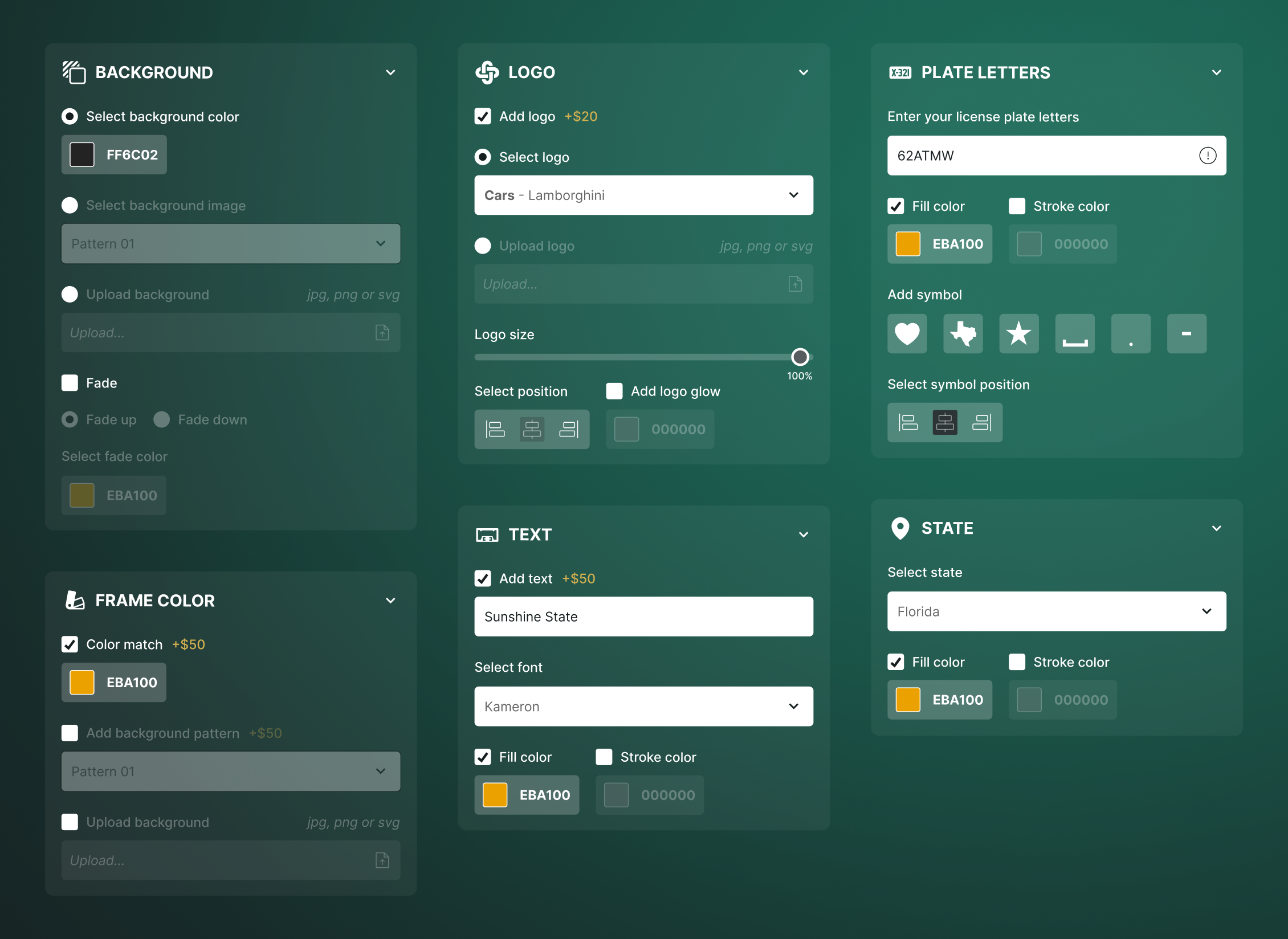
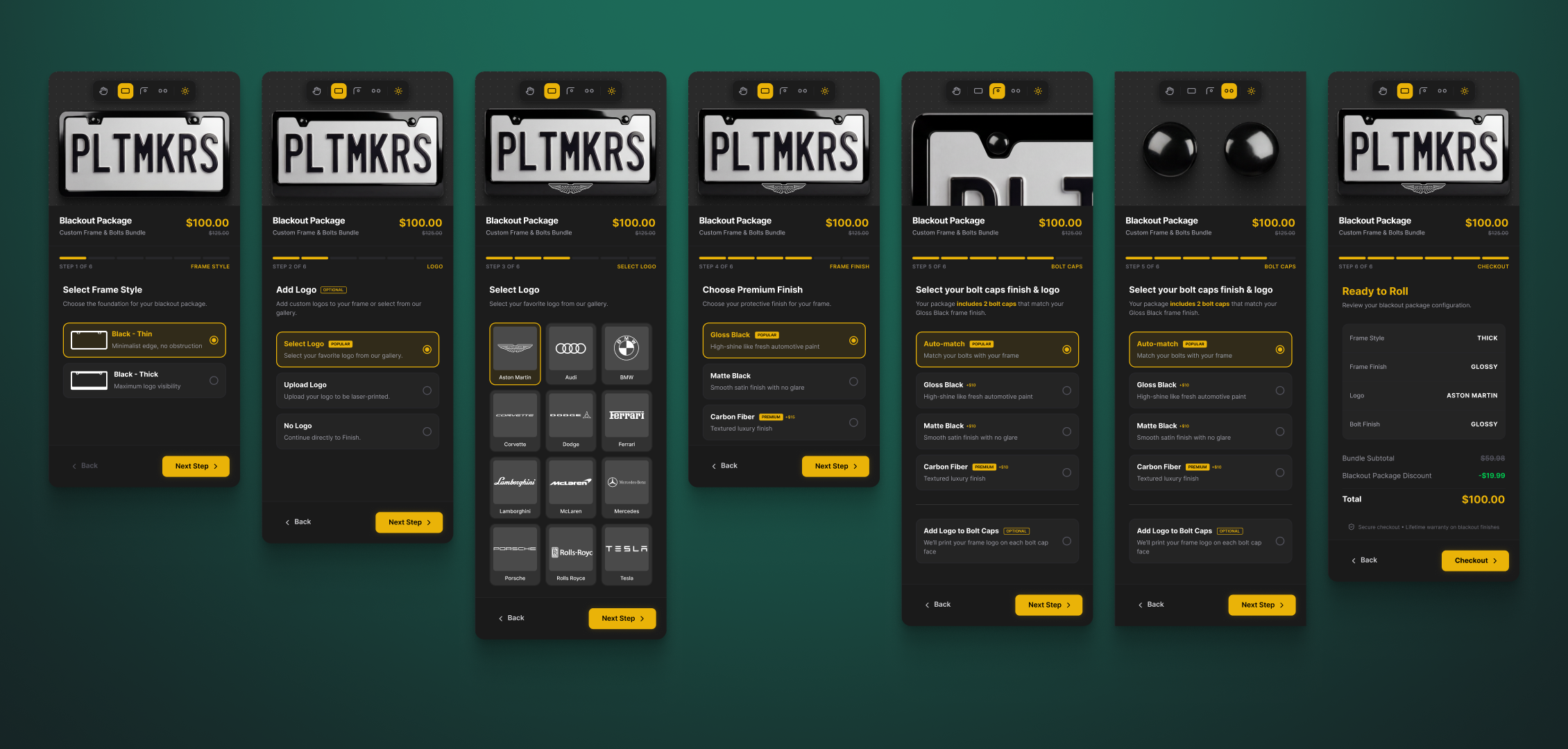
- App / product design.
- Email campaigns. A campaign system that turned the brand's voice into an inbox presence that performs.

- Social. A steady stream of on-brand content built for the feed, not adapted to it afterward.
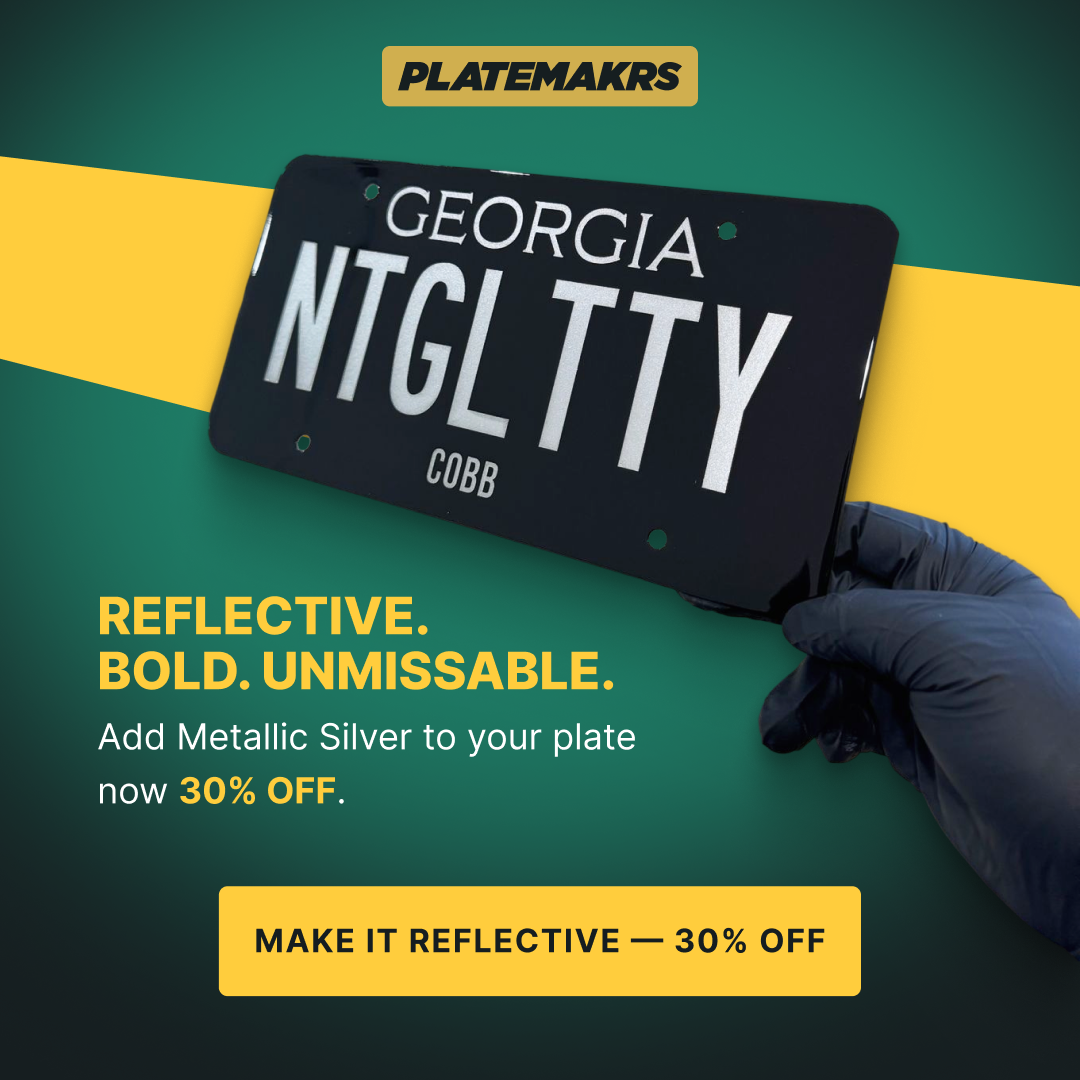
- Ad creative. Scroll-stopping paid creative produced at the volume DTC testing actually requires.
How it worked
The point of a subscription creative team is that all of the above comes from one place, at one predictable pace — so the identity stays coherent across every channel instead of being reassembled by whoever was free that week.
For Platemakrs that meant
.png)
with one creative direction holding the brand together across all of it. The boldness didn't dilute as the volume grew, because the system was built to scale from the start.
How we approached it
We started with the system, not the assets. Before producing at volume, we set the non-negotiables — the rules that would let "custom" still read as one bold brand no matter what a customer built — and turned them into reusable components across every surface. That foundation is what made speed safe: with the brand encoded into the system, production could move fast without each new piece becoming a fresh judgment call.
From there, creation and production stayed separate. Direction was set once; the repeatable volume — the resizes, the variants, the ongoing social and ad iterations — ran against that direction with a consistency check before anything shipped. One creative lead owned the look across channels, so the energy in an ad matched the energy in an email matched the energy in the product itself. Coherence wasn't something we reassembled each week; it was built into how the work was made.
The result
[PLACEHOLDER: the core results, verified before publishing — • [metric] moved from [before] to [after] • [N] assets produced in [timeframe] • [channel-specific win] ]
[PLACEHOLDER: approved client quote — a sentence or two from the Platemakrs team on working with Adaptif and the outcome.] — [Name, Title, Platemakrs]
What it shows
A growing DTC brand doesn't need to choose between speed and a strong identity, or between an in-house hire and a rotating cast of freelancers. With one subscription creative team, Platemakrs got an entire system — brand, product, email, social, and ads — produced continuously and held to a single, bold standard.
That's the model: one team, every channel, on brand, at the pace your business actually moves.
.svg)





.svg)

.svg)

.svg)
.svg)
.svg)
.svg)

.svg)